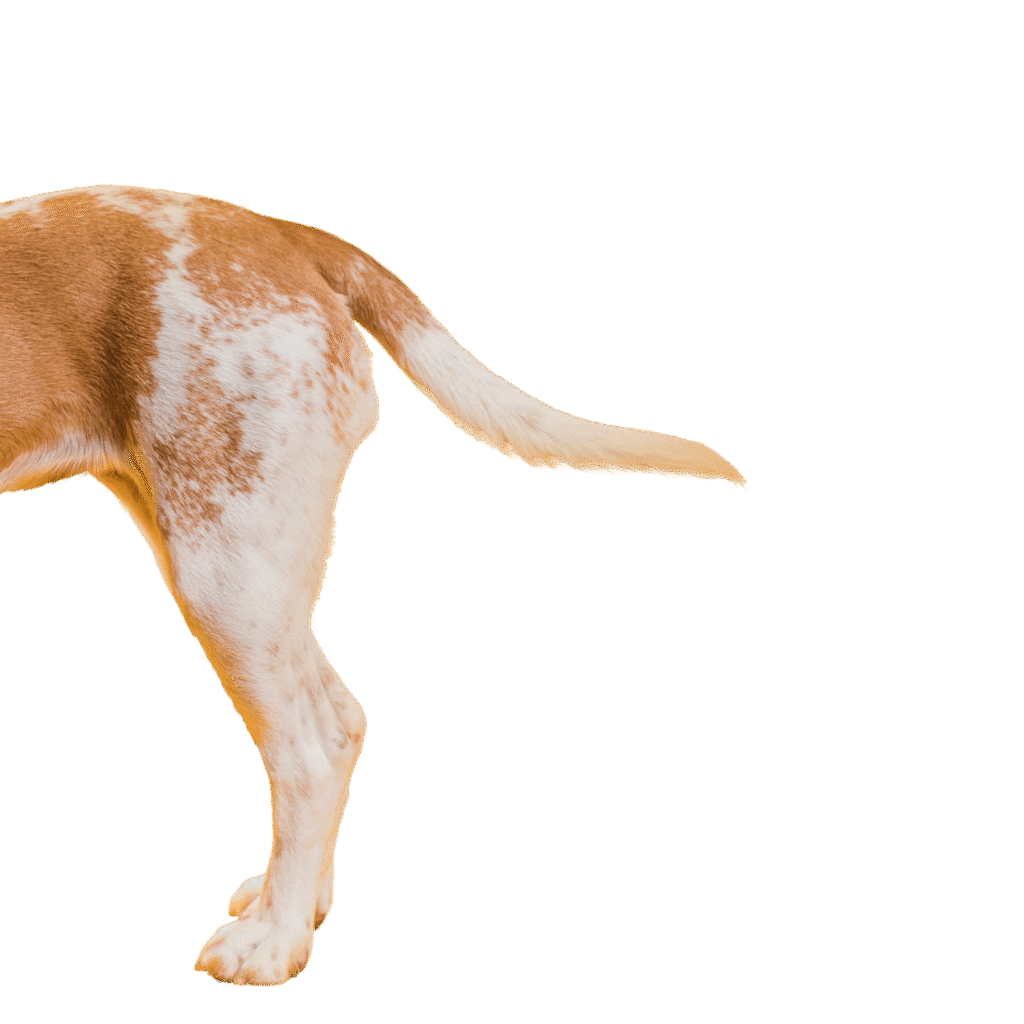
Why a Dog’s Tail Matters: Understanding Its Importance for Communication, Balance, and Wellbeing
Dogs are often called humans’ best friends, and their physical traits have fascinated us for centuries. Among those traits, the tail stands out as one of the most expressive and multifunctional parts of a dog’s body. While some may think a dog’s tail is just a simple appendage, it actually plays a vital role in communication, balance, movement, and even emotional health. In this article, we will explore why a dog’s tail matters, the many purposes it serves, and how we can better understand our pets by paying attention to their tails.
1. The Tail as a Communication Tool
One of the most important functions of a dog’s tail is non-verbal communication. Dogs do not rely solely on barking or growling to express themselves; instead, they use body language to signal their feelings, intentions, and mood.
- Wagging: A wagging tail is often associated with happiness and excitement. However, not all wags mean the same thing.
- A loose, full-body wag often means the dog is friendly and approachable.
- A slow wag can signal uncertainty.
- A stiff, high wag may indicate alertness or even aggression.
- Tail position:
- A tail held high can show confidence or dominance.
- A tail tucked low usually means fear, submission, or stress.
- A neutral position often suggests relaxation.
For dog owners, learning to interpret these subtle signals can improve understanding and strengthen the human–dog bond. It also helps prevent misunderstandings between dogs and people, reducing the risk of bites or aggression.
2. Balance and Movement
Another critical role of the tail is to help dogs maintain balance and coordination.
- Running and turning: When a dog is running at full speed, its tail acts like a rudder, helping it make sharp turns without losing balance. Greyhounds, for example, have long, strong tails that assist them in sprinting.
- Climbing and jumping: Dogs also use their tails when climbing uneven terrain or jumping to stabilize themselves mid-air.
- Swimming: Breeds such as Retrievers use their tails as a steering tool in water, helping them swim more efficiently.
Without a functional tail, dogs might struggle with sharp turns, high jumps, or swimming, highlighting just how essential tails are for movement.
3. Social Interactions with Other Dogs
Dogs rely heavily on their tails to communicate not just with humans, but also with each other. In dog-to-dog interactions, the tail serves as a visual signal that informs other dogs about mood, dominance, and intent.
- A confident dog with its tail high and wagging slowly may establish dominance.
- A submissive dog with its tail tucked between its legs signals fear or acknowledgment of hierarchy.
- A playful dog with its tail wagging wide and low often signals friendliness.
This communication system helps dogs maintain social harmony within packs and reduces unnecessary conflict.
4. Emotional Health and Expression
The tail is also a window into a dog’s emotions. Dogs that wag happily around their owners display joy and excitement. A dog that suddenly tucks its tail may be feeling anxious, scared, or unwell. By observing tail movements, pet owners can detect early signs of stress, fear, or health problems in their dogs.
Interestingly, studies show that dogs even wag their tails asymmetrically depending on their emotions. A tail wagging more to the right side often signals positive feelings, while wagging more to the left side may suggest stress or uncertainty.
5. Protection and Practical Uses
Historically, tails served practical purposes for dogs:
- Pest protection: In the wild, dogs used their tails to swat away flies and insects.
- Warmth: Dogs curl up and cover their noses with their tails to conserve heat during cold nights.
- Scent spreading: Dogs also have scent glands near the base of their tails. When wagging or lifting their tails, they release pheromones, which play a role in territory marking and social signaling.
6. The Impact of Docking (Tail Removal)
Unfortunately, some dog breeds have historically been subjected to tail docking (the surgical removal of part or all of the tail). Originally, tail docking was believed to prevent injuries in working dogs or improve hygiene, but today it is widely considered unnecessary and even harmful.
Docking removes one of a dog’s most important tools for communication and balance. It may lead to behavioral issues since other dogs cannot easily interpret a docked dog’s signals. Many countries have banned cosmetic tail docking due to animal welfare concerns.
7. How Owners Can Benefit from Understanding Dog Tails
For responsible pet owners, paying attention to tail language offers many benefits:
- Safety: Recognizing signs of aggression or fear in a dog’s tail can help prevent bites or accidents.
- Bonding: Understanding tail communication strengthens the emotional connection between dog and owner.
- Training: Observing tail movement can guide training sessions. For instance, if the dog’s tail is stiff or tucked, it may not be receptive to commands.
- Health monitoring: Changes in tail movement or position may indicate pain, injury, or illness.
8. Fun Facts About Dog Tails
- Not all dogs wag their tails the same way—tail length and breed play a role.
- Some breeds, like Pugs and Bulldogs, have naturally short or curled tails, which slightly limits their communication but still carries meaning.
- Dogs wag their tails more around humans than they do with other dogs, showing just how social they are with us.
More Than Just a Tail
The tail is far more than a decorative feature on a dog—it is a powerful tool for communication, movement, balance, and emotional expression. By learning to interpret the messages behind a dog’s tail, humans can build stronger relationships with their pets and ensure their overall wellbeing.
Next time you look at your dog, pay close attention to its tail. It might just be telling you a story that words cannot express.
Training your dog doesn’t have to be stressful or overwhelming. With the right guidance, you can build a stronger bond, eliminate bad habits, and teach your furry friend positive behaviors that last a lifetime. The Dog Training Guide Book is packed with proven techniques, step-by-step instructions, and tips for both new and experienced dog owners. Ready to transform your dog’s behavior and enjoy a happier, well-trained companion?
Get Your Dog Training Guide Book Here