Hypertension, commonly known as high blood pressure, is a silent but serious health condition affecting millions of South Africans. Often referred to as the “silent killer,” hypertension can lead to severe complications like heart disease, stroke, and kidney failure if left unmanaged. In this article, we’ll explore what hypertension is, its causes, risks, and practical steps for managing and preventing it, with a focus on the South African context.
What is Hypertension?
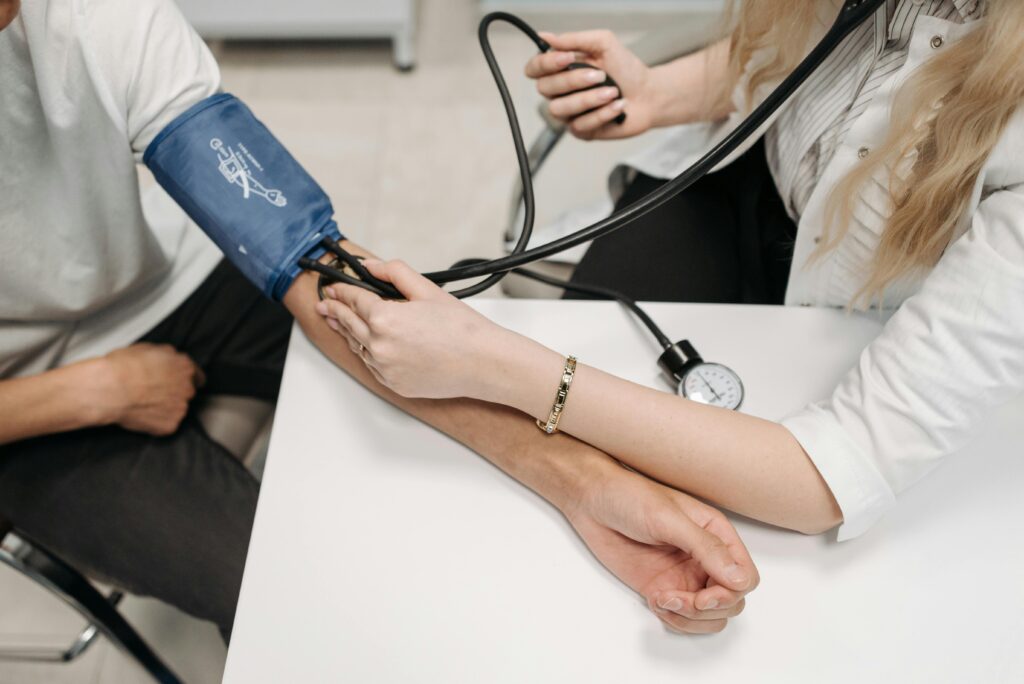
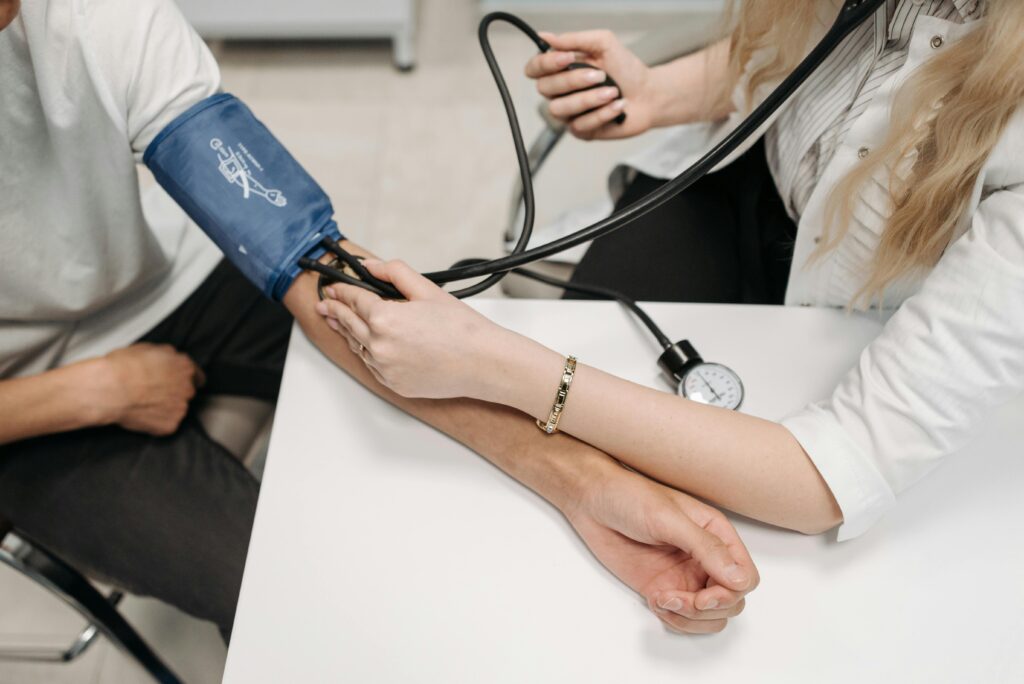
Hypertension occurs when the force of blood against the walls of your arteries is consistently too high. Blood pressure is measured in millimetres of mercury (mmHg) and is recorded as two numbers:
- Systolic Pressure: The pressure when your heart beats (normal: below 120 mmHg).
- Diastolic Pressure: The pressure when your heart rests between beats (normal: below 80 mmHg).
A reading of 140/90 mmHg or higher is considered hypertensive.
Types of Hypertension
- Primary (Essential) Hypertension:
- The most common type, with no identifiable cause.
- Develops gradually over time due to lifestyle and genetic factors.
- Secondary Hypertension:
- Caused by an underlying condition, such as kidney disease, hormonal disorders, or medication side effects.
- Often appears suddenly and can be more severe.
Hypertension in South Africa: A Growing Concern
South Africa has one of the highest rates of hypertension in sub-Saharan Africa, with an estimated 1 in 3 adults affected. Key factors contributing to this include:
- Unhealthy Diets: High salt, fat, and sugar intake, often from processed and fast foods.
- Sedentary Lifestyles: Lack of physical activity due to urbanization and modern work environments.
- Obesity: Over 60% of South African adults are overweight or obese, a major risk factor for hypertension.
- Stress: High levels of stress due to socioeconomic challenges.
- Limited Access to Healthcare: Many people are unaware they have hypertension or struggle to access treatment.
The impact of hypertension in South Africa is significant, contributing to high rates of heart disease, stroke, and premature death.
Symptoms of Hypertension
Hypertension is often called the “silent killer” because it typically has no noticeable symptoms. However, in severe cases, symptoms may include:
- Headaches
- Dizziness
- Blurred vision
- Shortness of breath
- Chest pain
Regular blood pressure checks are essential for early detection.
Risks of Untreated Hypertension
If left unmanaged, hypertension can lead to:
- Heart Disease: High blood pressure damages arteries, increasing the risk of heart attacks.
- Stroke: Hypertension is a leading cause of strokes.
- Kidney Damage: High blood pressure can harm the kidneys, leading to kidney failure.
- Vision Loss: Damaged blood vessels in the eyes can cause blindness.
- Cognitive Decline: Hypertension increases the risk of dementia and memory problems.
Managing Hypertension in South Africa
While hypertension is a lifelong condition, it can be effectively managed with lifestyle changes and, if necessary, medication. Here’s how:
1. Adopt a Heart-Healthy Diet
- Reduce Salt Intake: Aim for less than 5g of salt per day (about 1 teaspoon). Avoid processed foods, which are often high in sodium.
- Eat More Fruits and Vegetables: These are rich in potassium, which helps lower blood pressure.
- Choose Whole Grains: Opt for brown rice, whole wheat bread, and oats instead of refined carbs.
- Limit Saturated Fats: Avoid fried foods, fatty meats, and full-fat dairy products.
Tip: The DASH Diet (Dietary Approaches to Stop Hypertension) is highly recommended for managing blood pressure.
2. Exercise Regularly
Physical activity helps lower blood pressure and improve heart health. Aim for:
- At least 150 minutes of moderate exercise per week (e.g., brisk walking, cycling, or swimming).
- Strength training exercises twice a week.
Tip: Start with small, manageable goals, like a 10-minute walk daily, and gradually increase.
3. Maintain a Healthy Weight
Losing even a small amount of weight can significantly lower blood pressure. Focus on a balanced diet and regular exercise to achieve and maintain a healthy weight.
4. Limit Alcohol and Quit Smoking
- Alcohol: Limit intake to no more than 1-2 drinks per day.
- Smoking: Quit smoking to improve overall cardiovascular health.
5. Manage Stress
Chronic stress can contribute to high blood pressure. Practice stress-relief techniques like:
- Meditation
- Deep breathing exercises
- Yoga or tai chi
- Spending time in nature
6. Take Medication as Prescribed
If lifestyle changes aren’t enough, your doctor may prescribe medication to help control your blood pressure. Common types include:
- ACE Inhibitors
- Beta-Blockers
- Diuretics
- Calcium Channel Blockers
Tip: Never stop taking medication without consulting your doctor.
7. Monitor Your Blood Pressure
Regularly check your blood pressure at home or at a clinic to ensure it stays within the target range.
Preventing Hypertension
Prevention is key to reducing the burden of hypertension. Here’s how:
- Eat a balanced, low-salt diet.
- Stay physically active.
- Maintain a healthy weight.
- Avoid smoking and limit alcohol.
- Get regular health check-ups, especially if you have a family history of hypertension.
Challenges in Hypertension Management in South Africa
Many South Africans face barriers to managing hypertension, including:
- Limited Access to Healthcare: Rural areas often lack clinics and specialists.
- Cost of Medication: Even with medical aid, some struggle to afford long-term treatment.
- Lack of Awareness: Many people are unaware of their condition or its risks.
To address these challenges, the South African government and NGOs are working to improve access to care, provide affordable medication, and raise awareness through campaigns like May Measurement Month.
Hypertension is a serious but manageable condition that requires awareness, education, and proactive care. In South Africa, where the prevalence of hypertension is high, it’s crucial for individuals, communities, and healthcare providers to work together to combat this epidemic.
At HealthVida, we’re committed to empowering South Africans with the knowledge and resources they need to live healthier lives. If you or a loved one is living with hypertension, remember that small changes can make a big difference. Take control of your health today!
For more information, visit HealthVida.co.za and explore our resources on hypertension management and prevention.