What Happens Next After Trump Tariffs Ruled Illegal?
The Trump-era tariffs, particularly those aimed at China and certain steel and aluminum imports, have been the subject of intense legal, political, and economic battles since their inception in 2018. Imposed under Section 232 of the Trade Expansion Act and Section 301 of the Trade Act of 1974, these tariffs sparked trade wars, retaliatory measures, and widespread debate over their constitutionality and impact on global commerce.
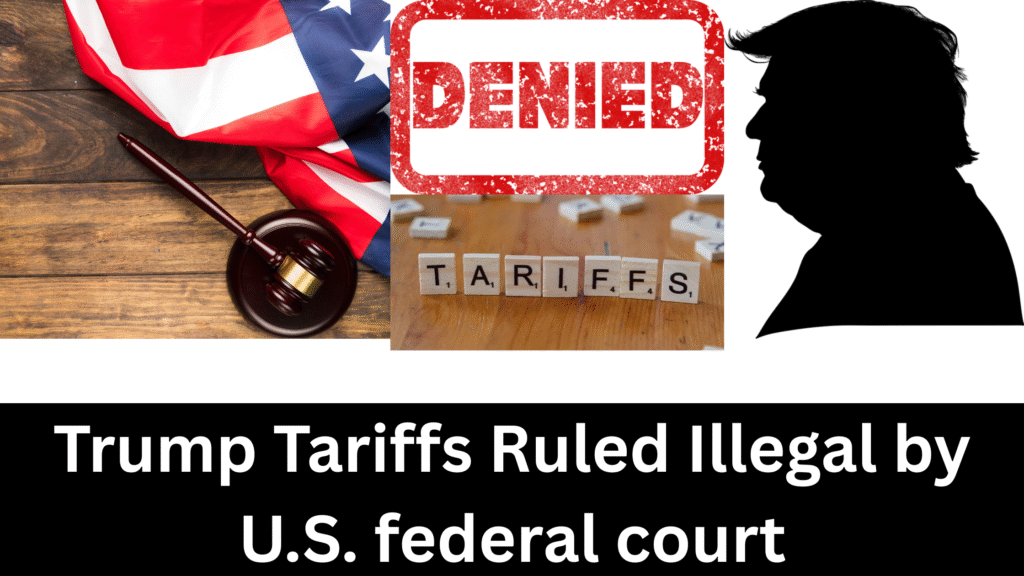
In a significant legal development, a U.S. federal court has ruled that aspects of these tariffs were unlawful. This decision not only challenges the foundation of Trump’s trade policies but also raises the question: what happens next for American businesses, global trade, and future administrations?
This article breaks down the background of the tariffs, the legal ruling, possible outcomes, and how the Biden administration and international trade partners are likely to respond.
Background: Trump’s Tariff Strategy
Former President Donald Trump introduced tariffs as part of his “America First” economic agenda. His administration argued that unfair trade practices, particularly by China, were undermining U.S. industries and national security.
- Steel and Aluminum Tariffs (Section 232)
- Trump imposed 25% tariffs on steel and 10% on aluminum imports in 2018, citing national security risks.
- Allies like Canada, the European Union, and Mexico were also initially targeted, sparking backlash.
- China Tariffs (Section 301)
- The administration imposed tariffs on more than $370 billion worth of Chinese goods, alleging intellectual property theft, forced technology transfers, and unfair subsidies.
- China retaliated with its own tariffs on U.S. exports, hitting American farmers and manufacturers.
- Impact on U.S. Economy
- Mixed results: some domestic steelmakers benefited, but downstream industries reliant on imports suffered higher costs.
- Farmers needed federal subsidies to offset retaliatory tariffs from China.
- Global supply chains became strained, fueling inflationary pressures.
The Court Ruling on Tariffs
A federal trade court recently ruled that significant portions of Trump’s tariffs were unlawful. The decision emphasized:
- Exceeding Executive Power: The President overstepped authority granted under trade laws.
- Procedural Violations: Some tariffs lacked proper justification and were not implemented in compliance with administrative procedures.
- Economic Harm: Courts considered the negative effects on U.S. companies reliant on imported goods.
This ruling doesn’t instantly lift tariffs but paves the way for companies to challenge them and potentially seek refunds.
What Happens Next after the declined Tariffs?
The fallout from the ruling could unfold in several stages:
1. Appeals and Legal Battles
The U.S. government is expected to appeal the ruling. The case may ultimately reach the Supreme Court, where the broader question of presidential authority over trade will be scrutinized. Until the legal process concludes, most tariffs are likely to remain in place.
2. Refund Claims by Businesses
If the ruling stands, thousands of U.S. companies may file refund claims for tariffs paid since 2018. This could amount to billions of dollars in potential reimbursements. For small and medium-sized businesses hit hardest by tariff costs, this could provide relief.
3. Biden Administration’s Response
The Biden administration has maintained several of Trump’s tariffs, particularly against China, while softening tensions with allies. Biden faces a dilemma:
- Maintaining leverage in negotiations with China on trade, technology, and geopolitics.
- Avoiding inflationary pressures, since tariffs have contributed to higher consumer costs.
- Respecting the court ruling while protecting strategic industries.
We may see a restructuring of tariffs rather than a full repeal—possibly shifting toward targeted sanctions or multilateral approaches.
4. International Repercussions
If tariffs are lifted or reduced, U.S. allies and rivals will closely watch:
- China: Could view this as a victory but may still face new restrictions in other forms (export controls, technology bans).
- European Union: Likely to welcome easing tariffs, improving transatlantic trade relations.
- World Trade Organization (WTO): The ruling strengthens the case for resolving disputes through international mechanisms rather than unilateral tariffs.
5. Political Impact Ahead of 2024 and 2028 Elections
The ruling could reignite debates about trade policy in upcoming U.S. elections.
- Republicans: Some will double down on Trump’s protectionist policies, framing the ruling as judicial overreach.
- Democrats: Likely to advocate for “smart trade” policies that balance global competition with worker protections.
- Voters: Farmers, manufacturers, and consumers impacted by tariffs will play a key role in shaping opinion.
Economic Outlook
The potential rollback of Trump’s tariffs could reshape the U.S. economy in several ways:
- Lower Costs for Importers and Consumers
- Removal or reduction of tariffs would ease supply chain costs, potentially lowering prices on goods like electronics, machinery, and household products.
- Relief for Farmers and Exporters
- With retaliatory tariffs possibly reduced, U.S. agricultural exports could rebound, improving farm incomes.
- Reshaping Supply Chains
- Some industries already adjusted to tariffs by shifting supply chains away from China to countries like Vietnam, India, and Mexico. Those shifts may continue, even if tariffs are lifted.
- Uncertainty for Businesses
- Until legal appeals are resolved, companies face uncertainty in planning long-term investments and trade strategies.
Lessons Learned
The court ruling underscores broader lessons for U.S. trade policy:
- Limits of Executive Power: Presidents may no longer wield tariffs as freely as in the Trump era.
- Need for Congressional Action: Congress could reassert its authority by reforming trade laws.
- Importance of Multilateralism: Engaging allies through organizations like the WTO may prove more effective than unilateral tariffs.
Conclusion
The ruling against Trump’s tariffs is a pivotal moment in U.S. trade history. While the final outcome depends on appeals and political negotiations, it signals a shift away from unilateral tariff wars toward more balanced trade policies.
In the short term, businesses may seek refunds, supply chains could stabilize, and global trade tensions may ease. In the long term, the case could redefine presidential powers over trade and reshape America’s economic relationships worldwide.
Whether seen as a correction of Trump’s controversial policies or a dangerous limitation on U.S. leverage, one thing is certain: the debate over tariffs will remain central to American politics and global commerce for years to come.