
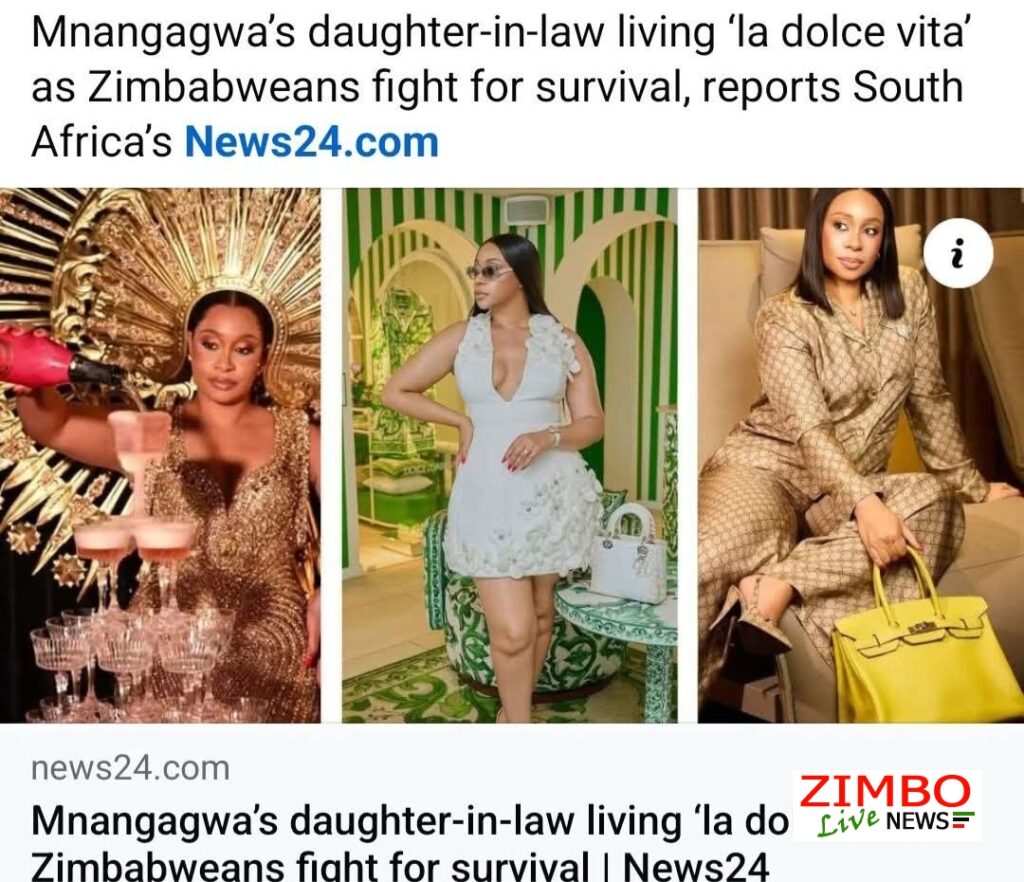
Mnangagwa’s Daughter-in-Law Living ‘La Dolce Vita’
Zimbabwe has once again been thrust into the global spotlight, not for policy reform or economic recovery, but for the lavish lifestyle of President Emmerson Mnangagwa’s daughter-in-law, Pokello Nare. Her recent 40th birthday celebrations at Italy’s Lake Como — widely considered a playground for the wealthy — have ignited outrage. While millions of ordinary Zimbabweans endure worsening poverty, inflation, and unemployment, the extravagant display of wealth has raised uncomfortable questions about leadership, inequality, and accountability in the country.
This article takes a closer look at the controversy, the symbolism of “la dolce vita,” and what it means for the people of Zimbabwe who are fighting for daily survival.
Pokello Nare’s Birthday Celebration in Italy
Pokello Nare, a Zimbabwean socialite and businesswoman married into the Mnangagwa family, marked her milestone 40th birthday in one of Europe’s most exclusive holiday destinations: Lake Como, Italy. Known for its luxury villas, celebrity guests, and high-end boutiques, Lake Como symbolizes wealth and privilege.
Reports highlighted:
- First-class flights to Europe.
- Designer shopping sprees in Milan.
- Gourmet dining experiences.
- Lavish parties set against the scenic backdrop of Italy’s most glamorous lake.
The trip was not kept private. Instead, it was splashed across social media, with curated images showcasing luxury brands, expensive outfits, and picturesque settings. For many Zimbabweans back home, the posts were both a reminder of elite privilege and a sharp contrast to their own economic struggles.
Zimbabwe’s Economic Reality
While the Mnangagwa family enjoys international luxuries, the economic reality in Zimbabwe is harsh:
- Hyperinflation: Prices of basic goods rise faster than wages, making essentials unaffordable.
- High unemployment: Many young people face a bleak future, unable to secure formal jobs.
- Power cuts & water shortages: Daily life for average citizens is marked by infrastructural breakdown.
- Health and education challenges: Underfunded hospitals, shortages of medicines, and struggling schools leave millions vulnerable.
For Zimbabweans surviving on modest incomes or remittances from family abroad, images of the First Family’s relatives living extravagantly abroad feel like a direct insult.
Public Outrage and Symbolism
The outrage is not simply about one woman’s birthday. It reflects broader anger at Zimbabwe’s political elite, who are often accused of corruption, mismanagement, and detachment from the struggles of ordinary citizens.
Key Themes in Public Reaction:
- Tone-deaf Leadership: At a time when government officials urge citizens to tighten their belts, luxury spending abroad signals hypocrisy.
- Inequality on Display: Zimbabwe’s rich-poor divide has widened. Elite families flaunt their lifestyles, while others queue for bread, fuel, or water.
- The Symbol of “La Dolce Vita”: Living “the sweet life” abroad, while citizens live with hardship, has become a symbol of the ruling class’s disconnect.
Social media platforms were flooded with reactions: some sarcastic, some angry, and others resigned. Memes and commentary highlighted the stark contrast between leaders and the led.
Historical and Political Context
Zimbabwe’s ruling elite has long been associated with wealth and privilege. During Robert Mugabe’s tenure, his family often came under fire for shopping sprees in Singapore or Dubai. Mnangagwa’s presidency, which began with promises of reform in 2017 after Mugabe’s removal, was supposed to mark a turning point.
Instead, citizens argue that little has changed. Corruption scandals, heavy-handed crackdowns on dissent, and poor economic management have continued. The Mnangagwa family’s Italian holiday appears to many as a continuation of a pattern — where the ruling class enjoys luxuries while citizens shoulder the costs of a collapsing economy.
The Role of Social Media
What sets this controversy apart is its visibility. In earlier eras, elite extravagance might have remained hidden. Today, Instagram and Facebook posts provide instant proof. Pokello’s curated images from Lake Como were not simply personal memories; they were consumed, shared, and criticized by thousands online.
Social media has amplified anger, making it harder for ruling elites to shield their private lives from public scrutiny. It has also provided Zimbabweans with a digital space to vent frustrations, criticize leadership, and share memes as subtle acts of resistance.
Impact on Mnangagwa’s Image
President Mnangagwa, already criticized for failing to turn around the economy, faces further reputational damage from this episode. Even though the birthday trip was a private matter, the symbolism cannot be ignored:
- For citizens at home: It confirms suspicions that the ruling elite are out of touch.
- For the international community: It underscores governance failures and a lack of seriousness about reform.
- For the opposition: It provides fresh material to highlight corruption and mismanagement.
In politics, optics matter. And the optics of a presidential family member living “la dolce vita” abroad while citizens endure crisis could prove damaging.
Broader Lessons About Leadership
The episode highlights broader questions about leadership and responsibility in times of crisis:
- Should political families practice restraint in public displays of wealth?
- How can leaders bridge the widening gap between elites and ordinary citizens?
- What moral obligations do ruling families have in a struggling nation?
History shows that when citizens lose faith in leadership due to hypocrisy or inequality, unrest often follows.
Pokello Nare’s birthday celebrations at Lake Como were not just about one woman’s luxury holiday. They have become a symbol of Zimbabwe’s deep social and economic divisions. At a time when citizens face record inflation, food shortages, and unemployment, the display of elite privilege feels like an insult to national suffering.
The contrast between “la dolce vita” and daily survival is stark. For many Zimbabweans, it reinforces a sense of betrayal and frustration with leadership that appears more invested in personal wealth than in national recovery.
Unless Zimbabwe’s ruling elite confront both economic mismanagement and public anger, the outrage sparked by this birthday celebration will not be the last. Instead, it may become a defining image of a leadership increasingly detached from its people.