
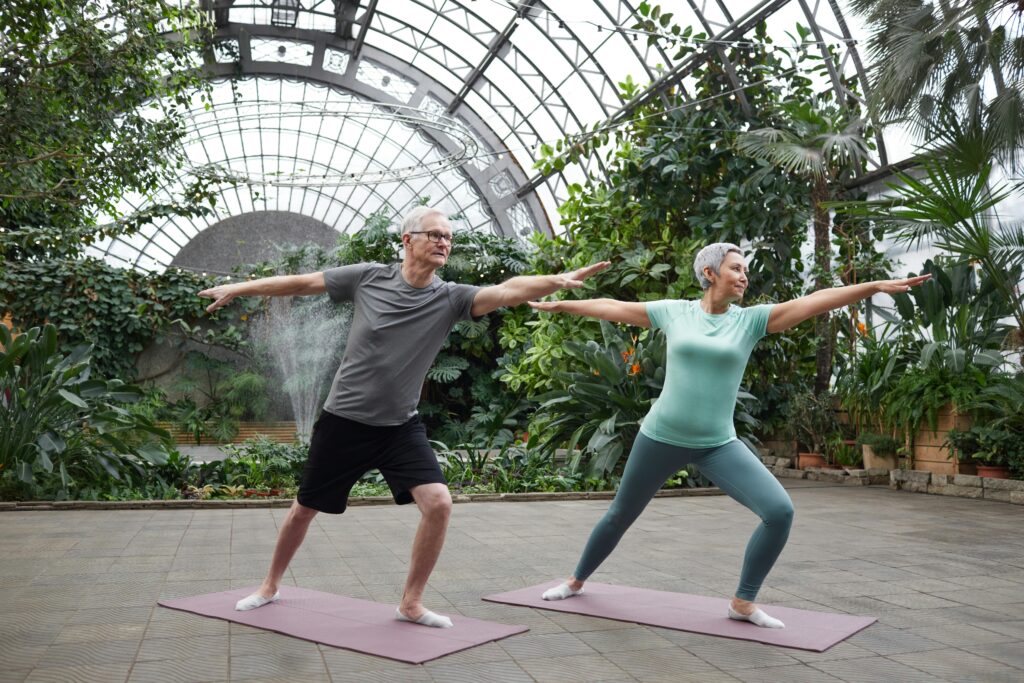
As the population ages, the importance of physical activity for older adults has become increasingly evident. Regular exercise is crucial for maintaining health, mobility, and overall well-being in later years. Recognizing this need, specialized exercise programs designed specifically for older adults are gaining popularity. These programs offer a range of benefits that help older individuals stay active and healthy.
The Importance of Exercise for Older Adults
Physical activity is essential for older adults for several reasons:
- Maintaining Mobility: Regular exercise helps preserve joint flexibility, muscle strength, and balance, reducing the risk of falls and injuries.
- Improving Cardiovascular Health: Aerobic exercises, such as walking and swimming, enhance heart health, lower blood pressure, and improve circulation.
- Managing Chronic Conditions: Exercise can help manage and alleviate symptoms of chronic conditions such as arthritis, diabetes, and heart disease.
- Boosting Mental Health: Physical activity has been shown to reduce symptoms of depression and anxiety, improve cognitive function, and enhance overall mood.
- Enhancing Quality of Life: Staying active contributes to a higher quality of life, promoting independence and the ability to engage in daily activities.
Types of Exercise Programs for Older Adults
There is various exercise programs tailored to the needs and capabilities of older adults. These programs focus on different aspects of physical fitness, ensuring a well-rounded approach to health:
1. Aerobic Exercise
Aerobic exercises, also known as cardio exercises, improve cardiovascular health and endurance. Common aerobic activities for older adults include:
- Walking: A low-impact activity that can be done almost anywhere. Walking helps improve cardiovascular health and maintain joint mobility.
- Swimming: A full-body workout that is gentle on the joints. Swimming enhances cardiovascular fitness and muscle strength.
- Cycling: Using stationary bikes or outdoor cycling provides a cardiovascular workout without putting excessive strain on the joints.
2. Strength Training
Strength training exercises help maintain muscle mass, bone density, and overall strength. These exercises can be done using resistance bands, light weights, or body weight. Examples include:
- Chair Squats: Strengthen the leg muscles and improve balance.
- Bicep Curls: Using light weights to strengthen the arm muscles.
- Leg Lifts: Help improve lower body strength and stability.
3. Flexibility and Balance Exercises
Flexibility and balance exercises enhance joint mobility and reduce the risk of falls. Common activities include:
- Yoga: Improves flexibility, balance, and relaxation. Many yoga classes are designed specifically for older adults.
- Tai Chi: A gentle form of martial arts that promotes balance, coordination, and relaxation.
- Stretching: Simple stretches can improve flexibility and reduce muscle stiffness.
4. Group Exercise Classes
Group exercise classes provide a social component, making physical activity more enjoyable and motivating. These classes can include:
- Senior Fitness Classes: Tailored specifically for older adults, these classes offer a variety of exercises to improve overall fitness.
- Dance Classes: Fun and engaging, dance classes enhance cardiovascular health, coordination, and social interaction.
- Water Aerobics: Low-impact exercises performed in a pool, suitable for individuals with joint issues.
Safety Tips for Older Adults
While exercise is beneficial, it’s important for older adults to exercise safely. Here are some safety tips:
- Consult with a Healthcare Provider: Before starting any exercise program, older adults should consult with their healthcare provider to ensure the activities are safe and suitable for their health condition.
- Start Slowly: Begin with low-intensity exercises and gradually increase the intensity and duration.
- Stay Hydrated: Drink plenty of water before, during, and after exercise.
- Listen to Your Body: Pay attention to any signs of discomfort or pain. If any exercise causes pain, stop and seek medical advice.
- Use Proper Equipment: Wear appropriate footwear and use any necessary equipment to support safe exercise.
Exercise programs for older adults are essential for maintaining health, mobility, and quality of life. By engaging in regular physical activity, older individuals can enjoy the benefits of improved cardiovascular health, stronger muscles, better balance, and enhanced mental well-being. With the right exercise program and safety precautions, staying active and healthy in later years is achievable and enjoyable.