Recommendations
Contraceptives are recommended for individuals who wish to prevent unintended pregnancies, manage menstrual cycles, and address specific reproductive health concerns. They are suitable for sexually active individuals, including adolescents and adults, who are not ready to become parents2. Healthcare providers consider factors such as medical history, lifestyle, and personal preferences when recommending specific contraceptive methods.
Benefits
Contraceptives offer a range of benefits beyond preventing pregnancy. These include:
- Regulating Menstrual Cycles: Hormonal contraceptives can help balance hormonal fluctuations, leading to more predictable and lighter periods.
- Reducing Menstrual Pain: Many users experience less painful periods due to the suppression of ovulation.
- Managing Acne: Hormonal contraceptives can reduce acne by stabilizing hormone levels.
- Lowering Cancer Risk: Long-term use of hormonal contraceptives is associated with a reduced risk of ovarian and uterine cancers.
- Relieving PMS Symptoms: Contraceptives can alleviate symptoms of premenstrual syndrome (PMS) and premenstrual dysphoric disorder (PMDD).
- Preventing Ovarian Cysts: By preventing ovulation, contraceptives can reduce the formation of ovarian cysts.
- Improving Quality of Life: Contraceptives enable individuals to plan pregnancies, contributing to better economic and social opportunities.
Side Effects
While contraceptives are generally safe, they can have side effects, which vary depending on the method used. Common side effects include:
- Nausea: Some individuals may experience nausea, especially when starting hormonal contraceptives.
- Breast Tenderness: Hormonal changes can cause breast tenderness, which usually subsides after a few months.
- Headaches: Hormonal contraceptives can trigger headaches or migraines in some users.
- Weight Gain: Some users report weight gain, although research on this is mixed.
- Mood Changes: Hormonal contraceptives can affect mood, leading to symptoms such as depression or anxiety.
- Spotting: Breakthrough bleeding or spotting between periods is common, especially in the first few months of use.
- Other Effects: Other potential side effects include changes in libido, fatigue, and changes in menstrual flow.
Effectiveness
The effectiveness of contraceptives varies depending on the method and correct usage. Here are some examples:
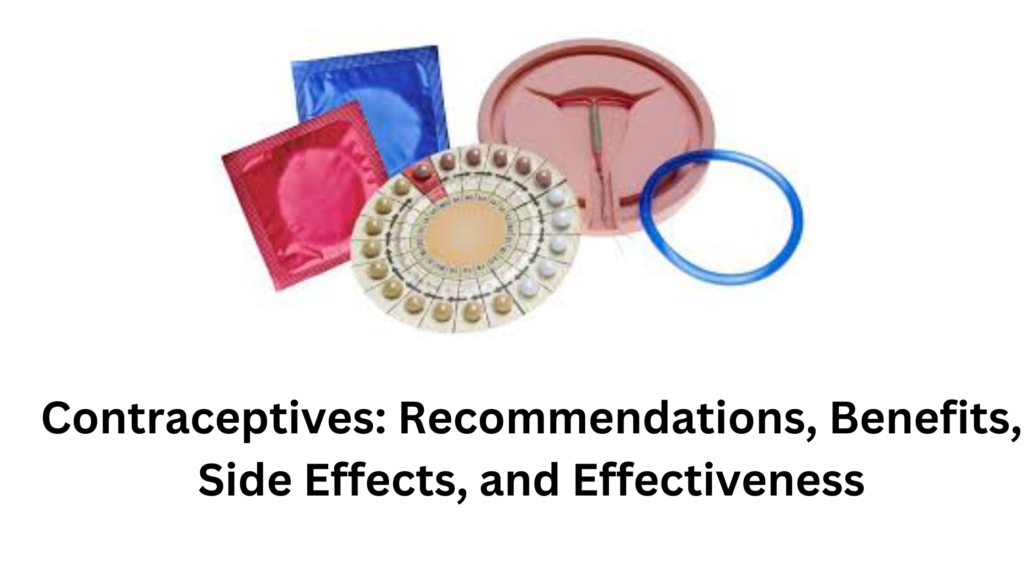
- Implants: Over 99% effective.
- Injectables: Around 99% effective.
- Vaginal Ring: Approximately 99% effective.
- Patches: About 99% effective.
- Intrauterine Devices (IUDs): Around 99% effective.
- Birth Control Pills: 91-99% effective with typical use.
It’s important to consult with a healthcare provider to choose the most suitable contraceptive method based on individual needs and preferences.